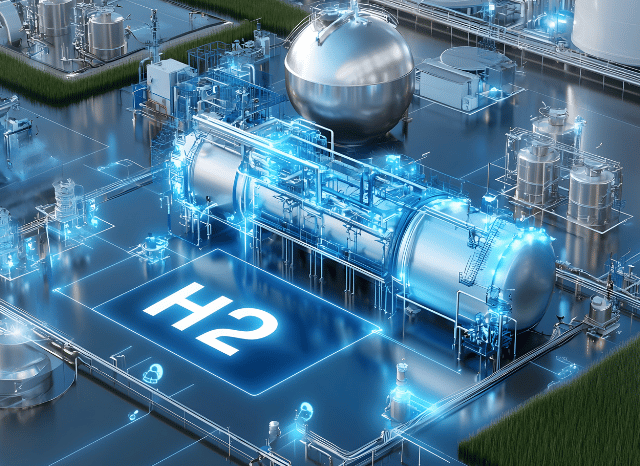
Oman, Germany, and the Netherlands have signed a groundbreaking arrangement that may reshape Europe’s Electricity landscape, ushering in a whole new period of environmentally friendly hydrogen imports from the center East.
A bold transfer in the worldwide Power changeover is taking condition between Oman and Europe. A historic agreement signed before this 12 months paves the way for among the list of world’s initial big-scale hydrogen corridors—linking Oman’s huge renewable resources to Germany’s industrial hubs by using the Netherlands.
The core of the initiative is green hydrogen—made by splitting water as a result of electrolysis driven by photo voltaic or wind Strength. This form of hydrogen has attracted worldwide interest for its opportunity to decarbonise sectors that happen to be normally not easy to electrify, such as heavy transport, steel manufacturing, and Electricity storage.
Oman, leveraging its sunny local climate and ambitious national technique, aims to become a best world wide exporter of environmentally friendly hydrogen by 2030. Forecasts suggest the country could deliver as much as one million tonnes of inexperienced hydrogen on a yearly basis by the top of your 10 years. A crucial element of the system consists of liquefying the hydrogen to facilitate overseas transportation.
Enter the website hydrogen corridor: a planned maritime and logistics route ranging from the port of Duqm in Oman, extending on the ports of Amsterdam and Duisburg. Specialised cryogenic tankers, similar to those Utilized in LNG transport but adapted for hydrogen’s much lessen temperatures, will carry the gas. European ports are already planning the mandatory infrastructure to receive, retail outlet, and distribute the cargo.
This corridor is not just a logistical feat—it’s a strategic just one. For Germany, which can be wanting to minimize dependence on fossil fuels and diversify its Electricity blend, the imports could assist satisfy its focus on of bringing in 10 million tonnes of renewable hydrogen by website 2030. The read more corridor also aligns with broader EU sustainability website aims and industrial decarbonisation endeavours.
The project’s importance lies don't just in its scale, but also in its replicability. Like LNG prior to it, liquid hydrogen could soon shift across continents, breaking cost-free from the constraints of mounted pipeline networks. And Oman isn’t alone. Other initiatives—like Spain’s Basque Hydrogen Corridor as well as the Central European Hydrogen Corridor—may also be creating the spine of the upcoming hydrogen economy.
The Basque challenge concentrates on integrating generation, distribution, and industrial use inside of northern Spain. Meanwhile, the Central European route ideas to repurpose current gasoline pipelines to hold hydrogen from Jap Europe to Germany, more cementing the location’s role from the hydrogen changeover.
If successful, these efforts could mark A significant milestone in decarbonising Europe’s significant industries and transportation networks—driven via the Solar and wind of distant deserts.